Anatomy of a Terraced Entry Court
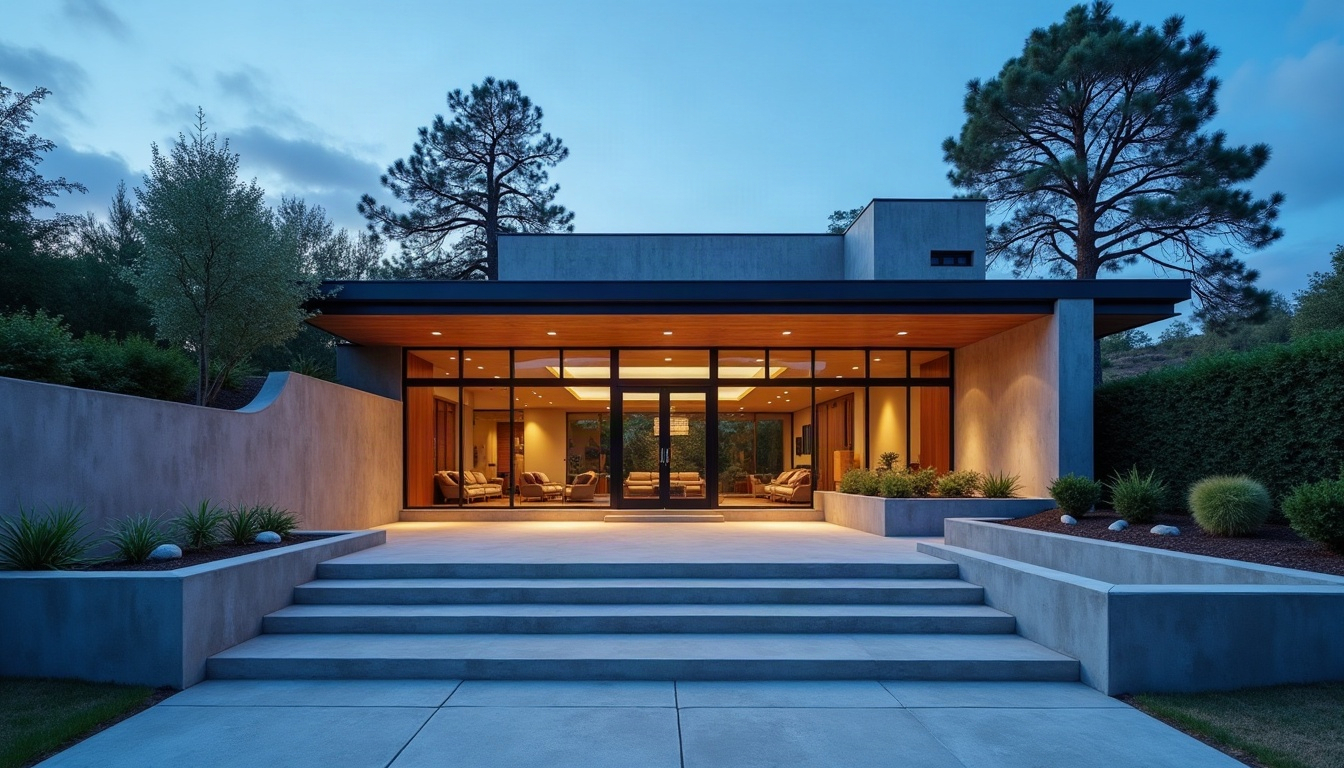
A terraced entry earns its composure from the ground up: the wall, the paving and the door all depend on soil that stays still.
A terraced entry earns its composure from the ground up: the wall, the paving and the door all depend on soil that stays still.
There is an old joke among lawyers that a grand jury would indict a ham sandwich. The statistic behind the joke is not funny: federal grand juries return indictments in more than 99 percent of cases presented to them. The Daily Caller has examined how prosecutors exploit this system, and the NACDL has long advocated … Read more

“Less, but better.” The floating house starts with a quiet promise: a solid floor under your feet where there should only be water. Before you notice the technology, you notice the calm. The waterline outside the window sits perfectly level. Sunlight slips across the ceiling, reflected from the surface below. The walls do not creak. … Read more

“Form follows function.” The invisible house starts with a very simple idea: if the building reflects everything around it, your eyes stop reading it as an object and start reading it as part of the horizon. When mirror architecture works, the house stops shouting and starts listening. It retreats. The structure becomes a quiet lens … Read more
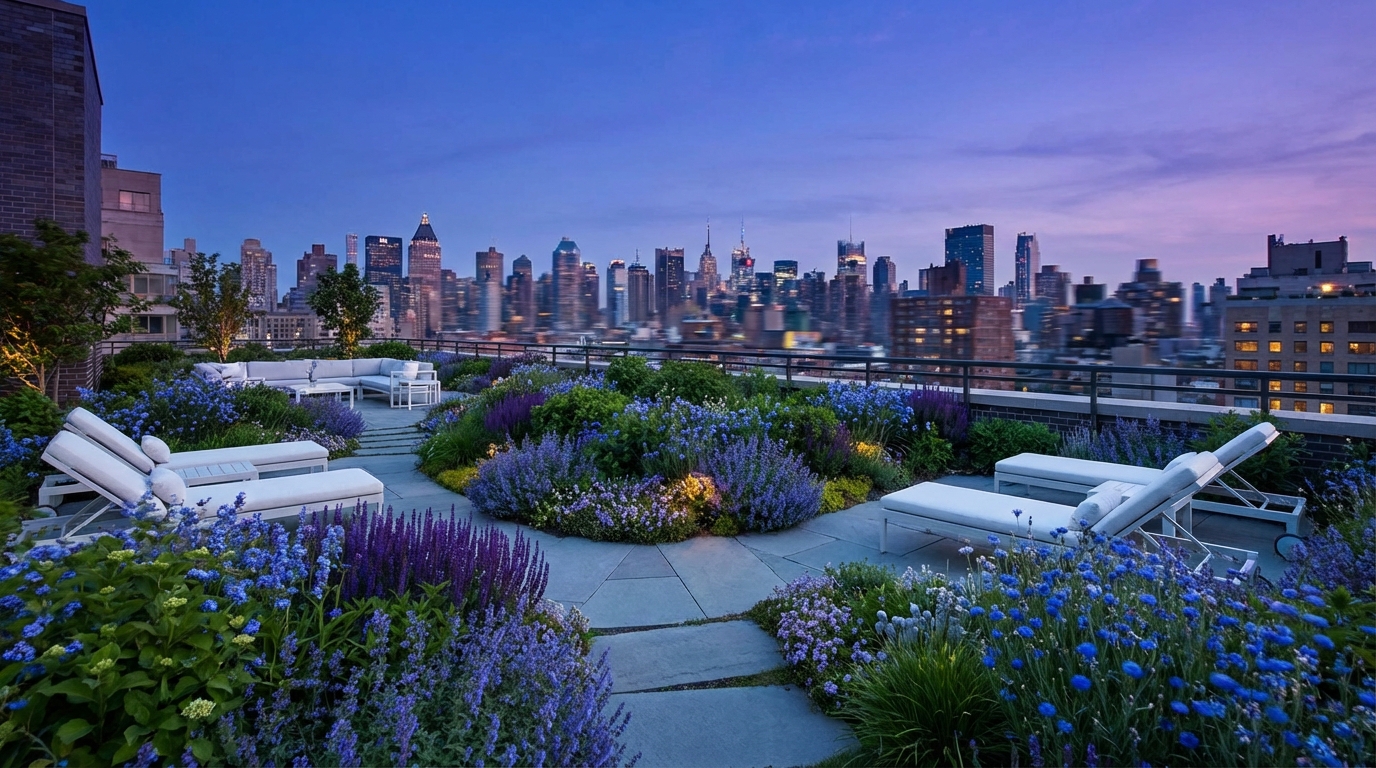
“Light is the first material of any garden, even before soil or stone.” Rooftop gardens are less about plants and more about relief. Relief from concrete, from sirens, from windows that look straight into other windows. When you step onto a well designed roof, you should feel the city soften. The noise is still there, … Read more
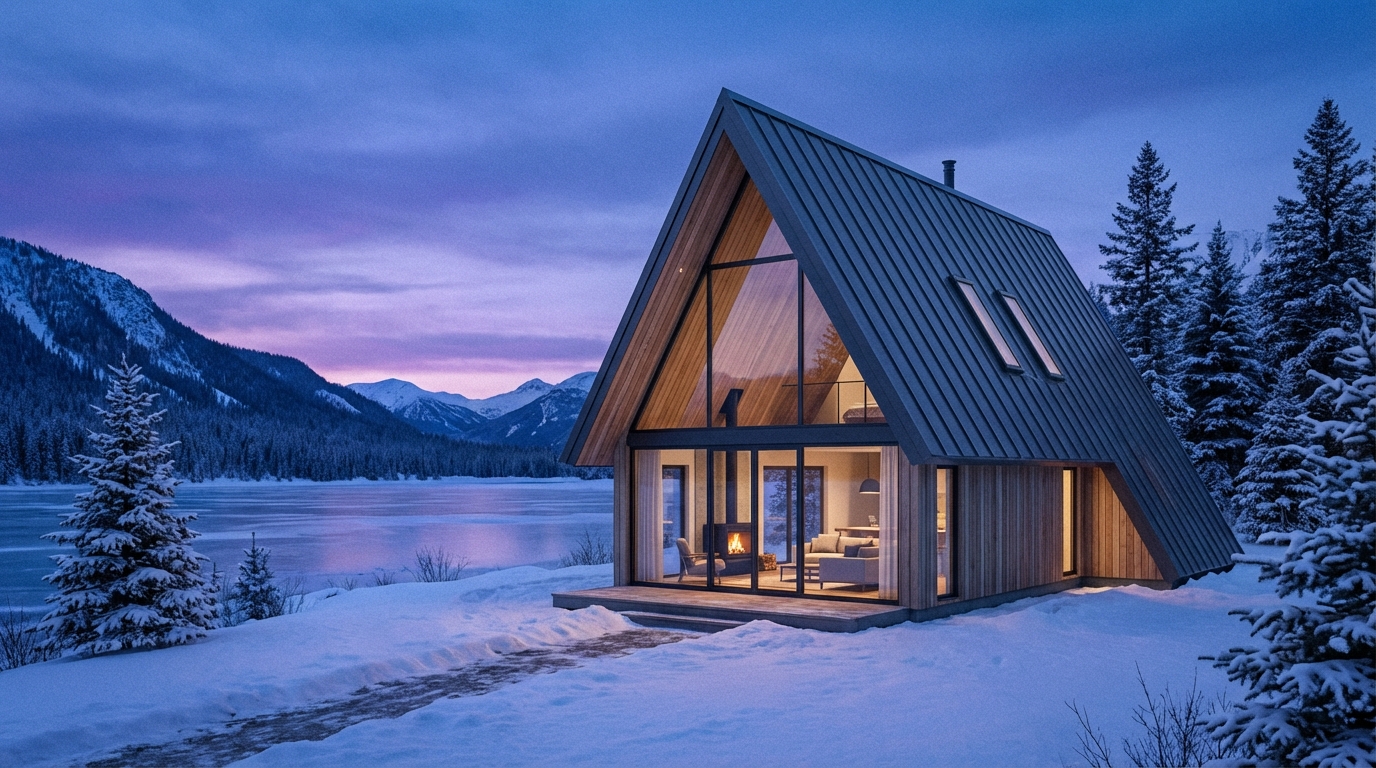
“Form follows function.” The renewed love for A-frame cabins starts with that simple idea. A triangle is about as honest as a building can get: two planes leaning on each other, protecting a strip of space between them. When you modernize an A-frame, you are not trying to turn it into something else. You are … Read more
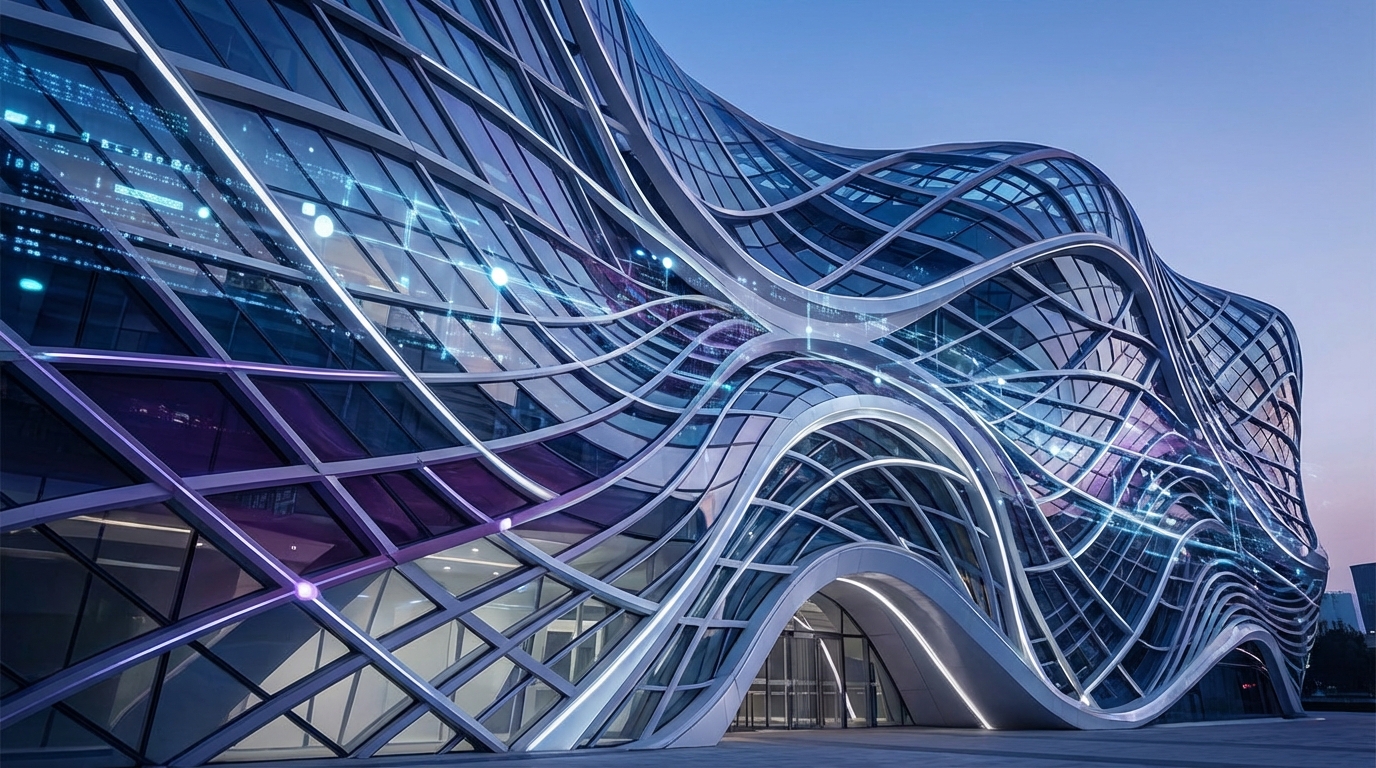
“Form follows function.” Parametric design takes that old line and feeds it into code. You set the function as math, constraints, and relationships, then let the building’s form grow from that logic. It is not some sci‑fi trick. It is a structured way of saying: if this column moves, that beam knows what to do; … Read more

“We shape our buildings, and afterward our buildings shape us.” Walk through any dense city in summer and you can feel the architecture on your skin. Heat trapped between glass towers, hard pavement that radiates warmth back into your legs long after sunset, air that feels heavier than it should. Now imagine the same street, … Read more
“Form follows function.” – Louis Sullivan Design is not the art of making things look good. It is the discipline of making things work so well that they feel quiet, obvious and almost inevitable. When a room, a website, or a chair feels “right,” that feeling is not an accident. It is structure, constraints, and … Read more

“We shape our buildings; thereafter they shape us.” Walk past a building wrapped in glass and your first instinct is usually the same: you slow down. You look in. You look through. You catch a reflection of the street layered over the people inside. That is the pull of a glass facade. It feels open, … Read more

Kothic Solutions
42 Greene Street,
Suite 5B SoHo,
New York, 10013 USA
© 2026 Kothic Solutions